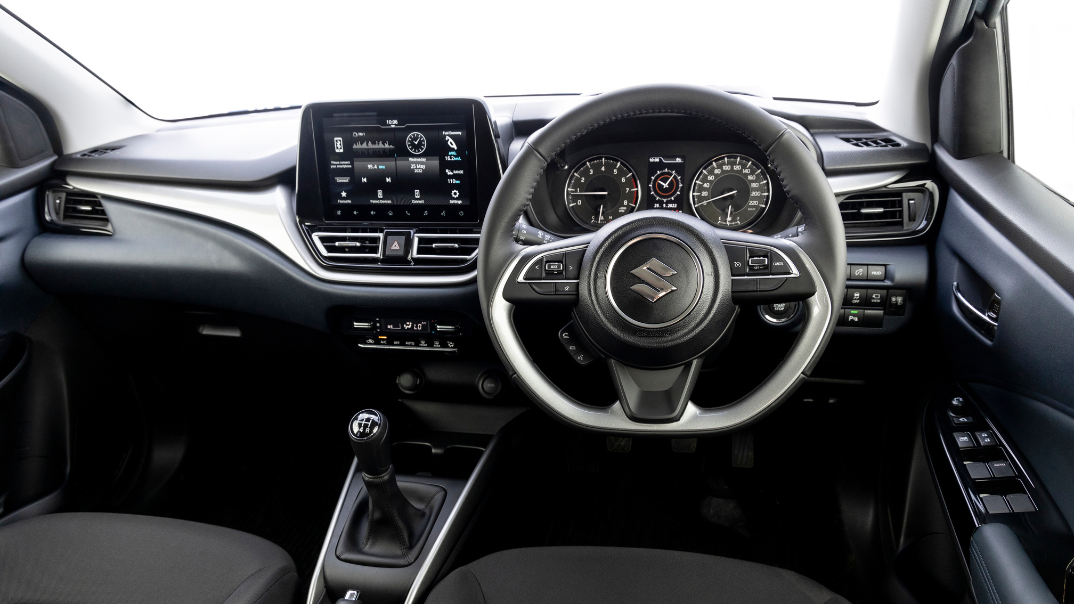


Your Suzuki is so much more than a way to get from A to B - it’s your partner in everything from daily adventures to family life and everything in between. Whether it’s your first car or your 20th, knowing how to care for your vehicle will make this a happy partnership for many years.
Key Takeaways
- Correct vehicle maintenance will keep your Suzuki in top shape for many years.
- Your Suzuki dealer is there to support you for the full ownership journey.
- There are many small things you can do to keep your vehicle in excellent condition.
Everyone goes through the ‘honeymoon’ phase with a new vehicle. Everything is new and shiny, and we take extra care to avoid small scratches and keep the vehicle spotless.
Suzuki is designed to feel like an extension of yourself, so once the new-car novelty wears off, it’s easy to forget when last you checked the oil or tyre pressure. We know you still adore your Suzuki, but life is busy!
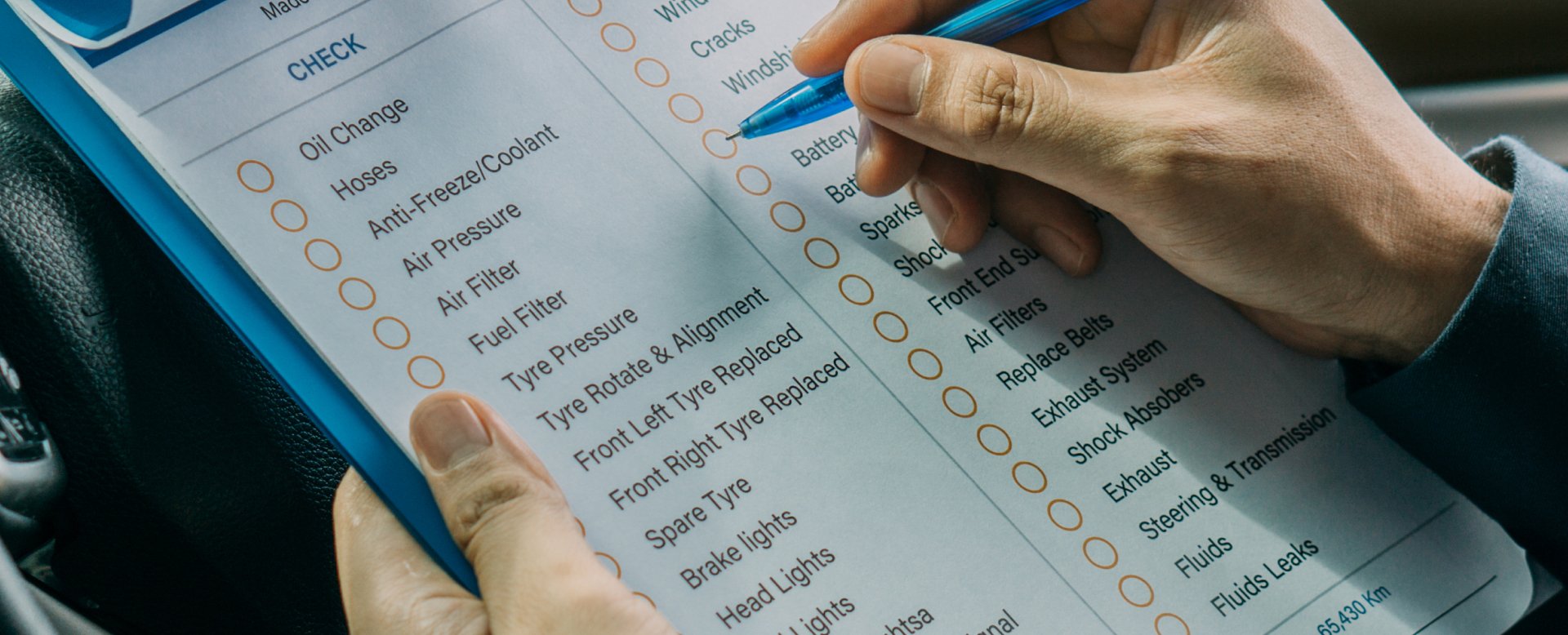
We’ve compiled an easy checklist to help you take the best possible care of your Suzuki.
1. The Main Event
The most important part of caring for your Suzuki is ensuring you stick to your vehicle's service or maintenance plan. These plans have strict mileage/time parameters designed to keep your vehicle in top condition. Skipping or delaying these can lead to vehicle damage, the loss of your vehicle warranty, and a reduced resale value.
Contact your service advisor at your nearest Suzuki dealer and they'll walk you through exactly how your service intervals work and what's covered under your plan.
2. The Small Gestures
As with any relationship, it’s the small details that can make the biggest difference. Here’s a simple self-service checklist for between professional services:
- Listen to your vehicle: before you turn up the sound, make a point of listening for any strange/new noises. It may just be loose change in the cupholder, but any grinding or concerning sounds coming from the engine, gearbox, brakes or steering column will need a closer look by an expert. Don’t leave it until a small problem turns into something much bigger.
- Fuel checks: make a habit of checking oil, water, tyre pressure, and the battery every second or third time you stop for fuel. Everyone has their own fuelling schedule, but it’s good to check these once per month. Make a point of regularly checking fuel consumption. If you notice a dramatic increase in fuel usage - but your driving routine hasn’t changed - it could indicate that something is wrong and needs to be checked by an expert.
-
Safety checks: every second month, we suggest checking tyre tread, washer fluid, and the condition of the vehicle wipers. At the same time, take a few minutes to ensure all lights are working, including brake lights and indicators. It’s a quick check to do and can save you some nasty fines if you’re not aware that one or more of your vehicle lights aren’t working.
- Driving checks: even if you’re not a technician, we guarantee you know your car better than you think. If the steering ever feels ‘off’, or if the vehicle seems to be pulling to one side, make sure to get your wheel alignment checked. Our many potholes can easily knock one or more wheels out of balance, which leads to excessive tyre wear and increased fuel usage.
Always pay attention to warning lights. They are there to let you know that something needs attention before it becomes a bigger problem.
3. Find Your Driving Rhythm
Whether you’ve been driving for a week or a few decades, it’s always the right time to improve your driving habits. As with any habit, these will soon become second nature and can save you a lot of money in unnecessary vehicle wear/repairs in the long run.
- Don’t tempt fate: if the fuel light is on, don’t try for a new record of how many kilometres you can squeeze in before the range is zero. Any impurities in fuel settle at the bottom of the tank and you don’t want those last few millilitres running through your engine. Regularly driving your car near empty means that dirty fuel is often running through the engine which can cause serious damage.
- No drama: if you’re not on a race track there is no need to dramatically accelerate and slam on the brakes at all times. If you’re already late and traffic is a nightmare, those bursts of acceleration and braking will not get you there any quicker. The reality is that you’re simply wearing out your brakes and engine.
- Give your clutch a break: In manual vehicles many people tend to rest their foot on the clutch at traffic lights because it’s comfortable. You might not consciously be pressing down on the clutch, but odds are that your resting foot is applying just enough pressure to cause unnecessary wear on the clutch.
- Shot of Espresso: Modern vehicles don’t need to warm up and idle for extended periods, but it’s still advised giving your car a few seconds. Think of it as your vehicle’s morning coffee and just give it a few seconds to wake up before you drive off.
- Keep it clean: Your vehicle is made of a variety of materials that are all prone to wear and tear, especially the interior. Toys, handbags, groceries, spilled food or liquids can all cause small scratches and abrasion over time. Keep living your best life with your Suzuki but make a point of giving the interior a proper clean every once in a while, as this will extend the lifespan of interior materials.
- It’s elemental: If possible, try to keep your vehicle in a protected or shaded area and out of the elements. Our African sun can do a lot of damage if your vehicle is mostly parked outside at an office or complex. If you have no option for covered parking, a car cover is a solid solution. Decent car covers are very easy to use and will minimise long term sun damage.
4. Play It Safe
Most vehicle owners don’t have unlimited emergency funds, which is why vehicle maintenance is so important. This is especially true when maintaining an older car. If you have an older Suzuki that’s no longer on a service plan or warranty, speak to your dealer about extended plans. It may feel like a grudge purchase, but it’s the best way to ensure your vehicle keeps running smoothly for many years and adventures.
The older a vehicle gets, the higher the risk that something can fail. This is true for all vehicles. The last thing you want is to finally have a vehicle that’s paid off and then be hit with expensive repairs that could have been avoided. When it comes to your car, you want long term reliability, not quick savings.
5. Ask For Support
If you own a Suzuki, you are never alone. Your Suzuki dealer is there to support you for the entire ownership journey - from servicing to specific features or even financing.
FAQs
Q1: Does Suzuki recommend a specific type of engine oil or fuel for my car?
A: Yes. Using the correct specification of engine oil and fuel grade is crucial for performance and longevity. The exact recommendation can vary by model and engine type. You'll find the precise specifications detailed in your owner's manual, or your Suzuki dealer can confirm what's best for your specific vehicle.
Q2: How long do Suzuki factory tyres typically last, and when should I consider replacing them?
A: Tyre lifespan depends on driving habits, road conditions, and maintenance (like alignment and pressure checks). While Suzuki fits high-quality tyres, they typically need replacement every 40,000-60,000 km. The legal minimum tread depth is 1.6mm, but for better safety, especially in wet conditions, consider replacing them at 3mm. Always replace tyres in pairs or full sets for balanced handling.
Q3: What should I do to prepare my Suzuki for a long road trip?
A: Beyond the standard checks, schedule a pre-trip inspection with your dealer. Request they specifically check the cooling system, brake pads and discs, and the condition of your spare tyre. Ensure your vehicle's jack and tool kit are present and that you have the correct insurance and roadside assistance coverage for your journey.
Q4: Can I use aftermarket parts for repairs without affecting my warranty?
A: Using non-genuine parts can sometimes void aspects of your warranty, especially if they are linked to a subsequent failure. For guaranteed compatibility and to preserve your warranty, always insist on Genuine Suzuki Parts for any repairs or replacements. Your dealer can provide these.
Q5: My Suzuki is due for a service, but it's barely been driven this year. Do I still need to service it?
A: Yes. Service intervals are based on both time and distance. Over time, engine oil degrades, fluids can absorb moisture, and seals may dry out. An annual service ensures these age-related factors are addressed, keeping your vehicle reliable even with low mileage.
Q6: What is included in a standard Suzuki service versus a major service?
A: A standard service focuses on essential checks and fluid changes (like oil and filter). A major service, typically at a higher mileage interval (e.g., 60,000km or 90,000km), is more comprehensive and includes replacing additional components like spark plugs, air filters, and cabin filters. Your service plan booklet or dealer can provide your vehicle's specific schedule.
Q7: How do I properly clean and maintain my Suzuki's interior touchscreen and dashboard materials?
A: Avoid harsh chemicals, ammonia-based cleaners, or abrasive cloths. Use a soft, dry microfiber cloth for dust. For smudges on the touchscreen, lightly dampen part of the cloth with water or a screen-specific cleaner. For textured dash plastics, a mild interior detailer sprayed onto the cloth (not directly onto the dash) works best to prevent sticky residues and sun damage.