
Published: 26 Jan 2026
Author: Friends of Suzuki: KEEP: Chanel Rampartab
Explore how meerkats, yellow mongooses, and ground squirrels use clever strategies to survive the scorching Kalahari heat, and discover how a trusty Suzuki Jimny helped researchers uncover their secrets in one of South Africa’s toughest environments.
The sandy Kalahari
The Kalahari is a sea of soft sand and rolling dunes stretching to the horizon. It is a place of beauty, but also of extremes: air temperatures often hit 45°C and water is scarce. This harsh landscape is home to South Africa's iconic meerkats, yellow mongooses, and Cape ground squirrels. For her PhD research at the University of the Witwatersrand, Chanel Rampartab is studying how these small mammals cope with the heat and find food, without becoming food themselves.
Credit: Chanel Rampartab
Meet the trio
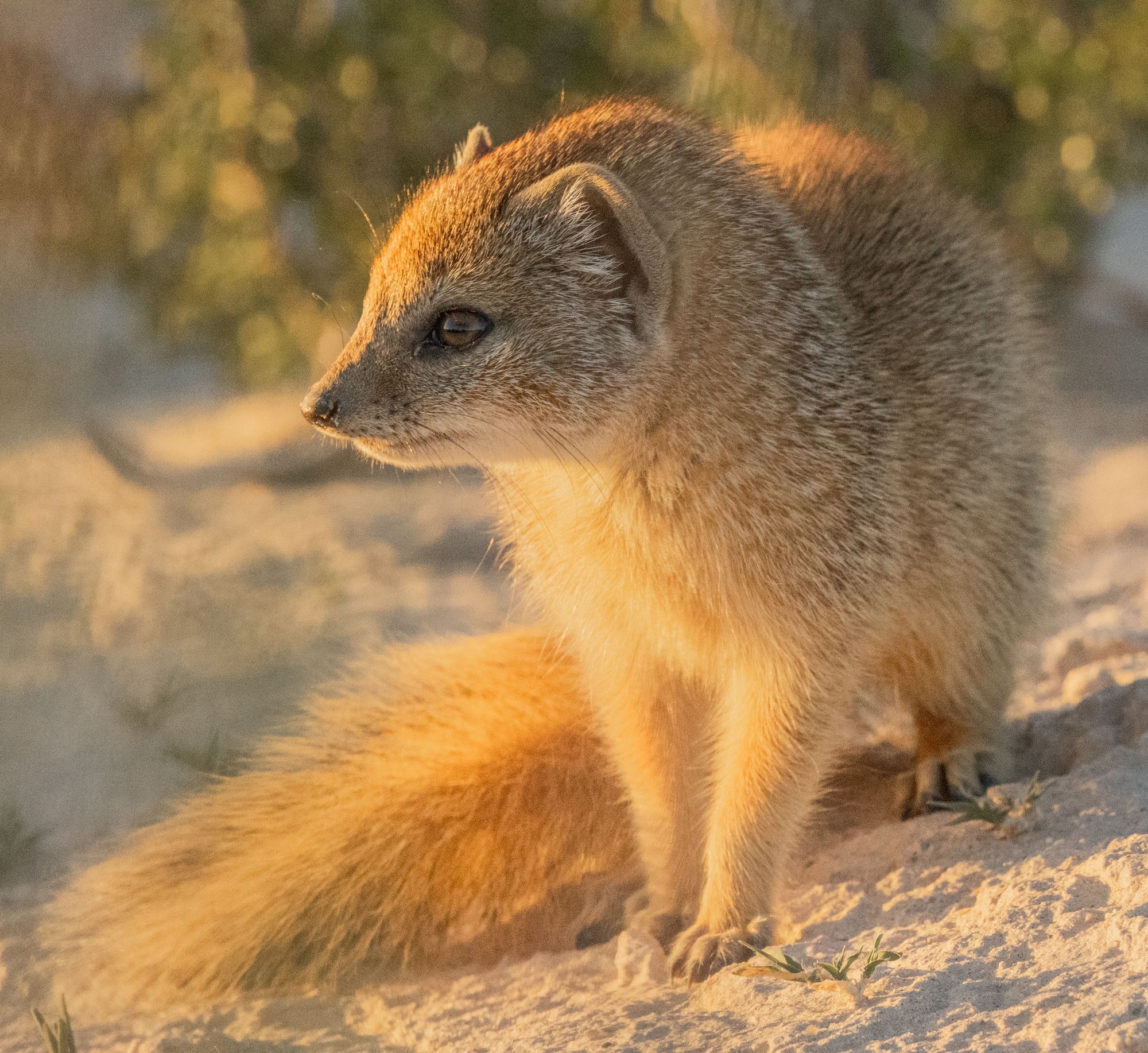
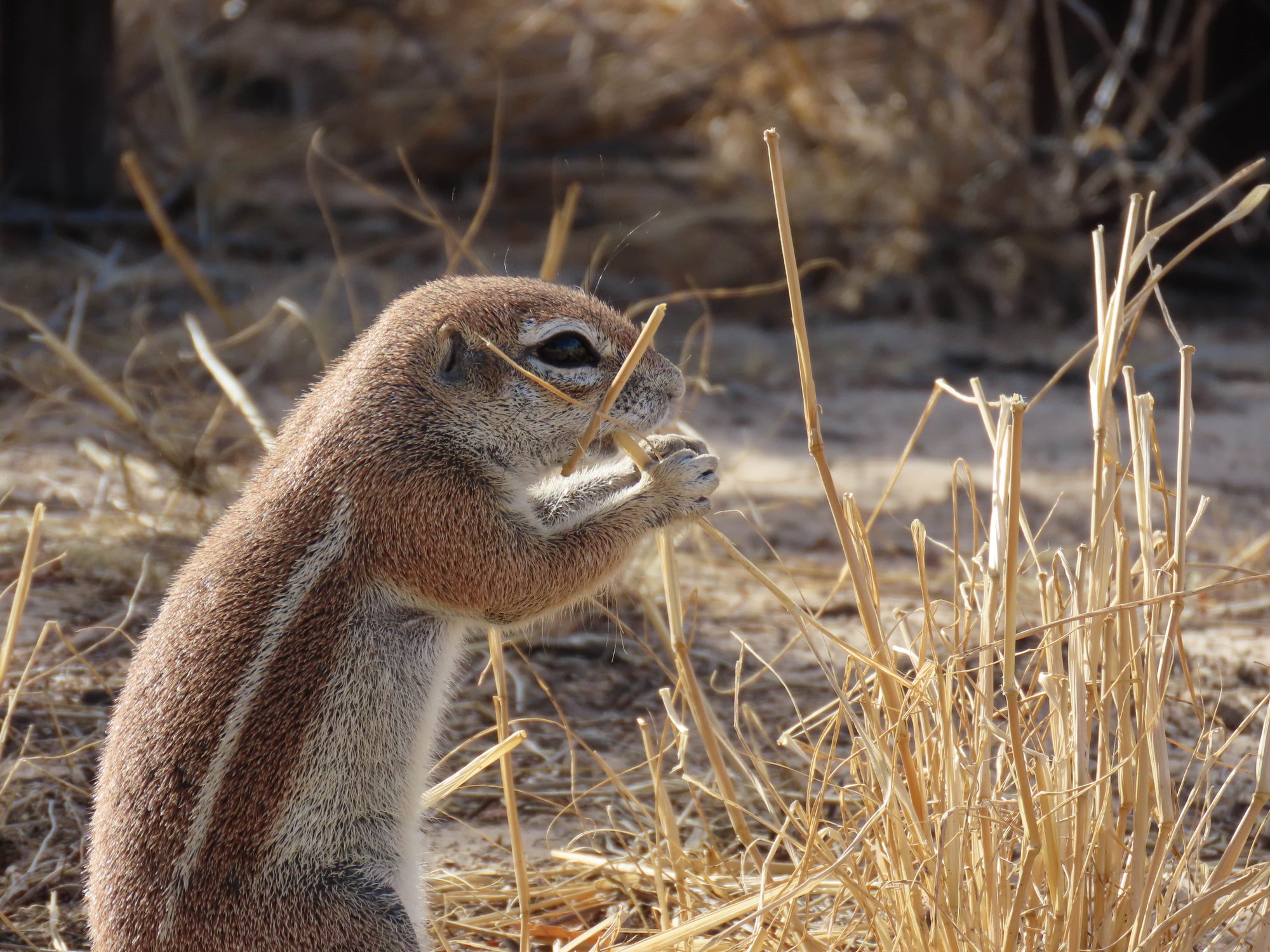
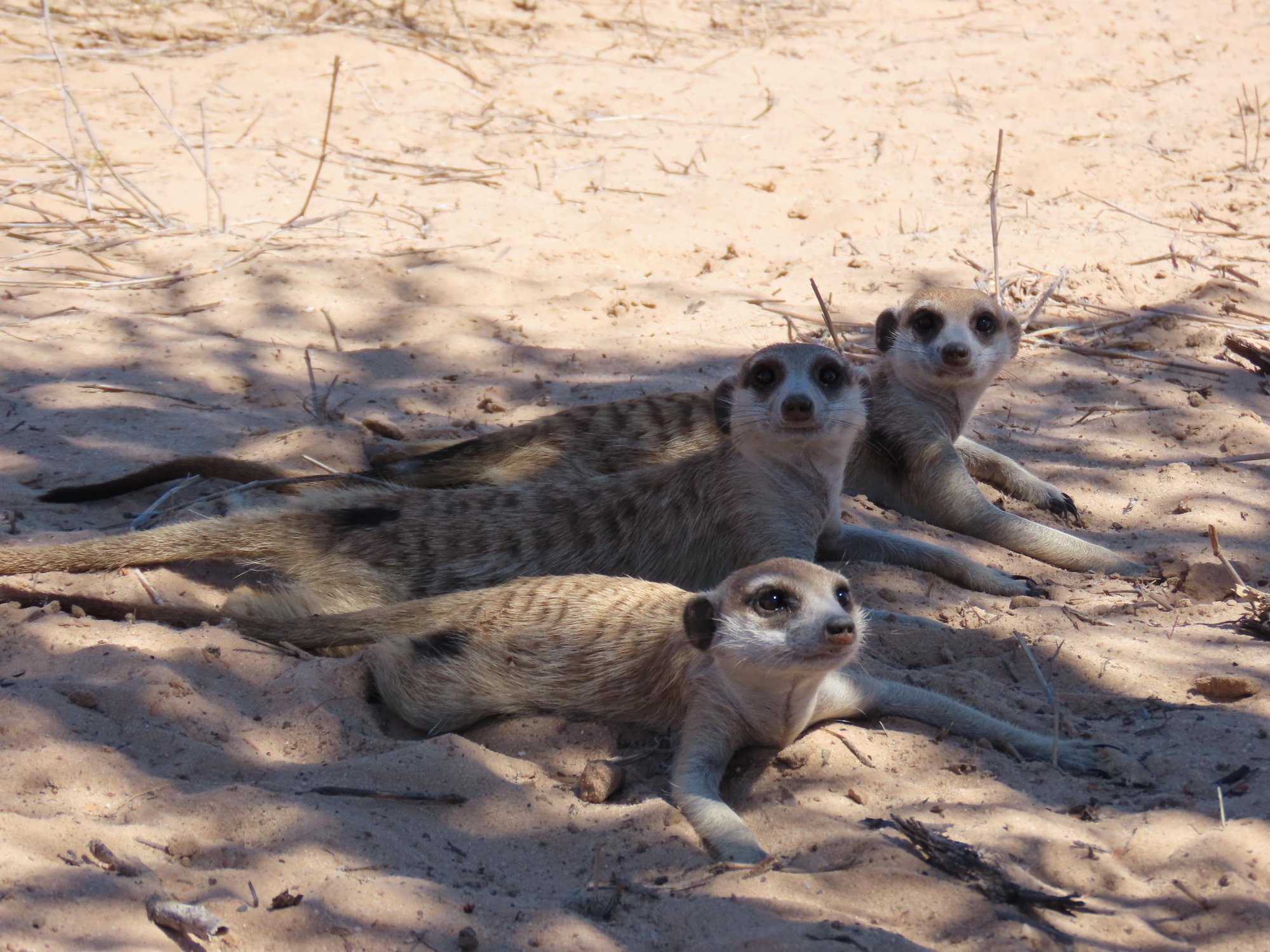
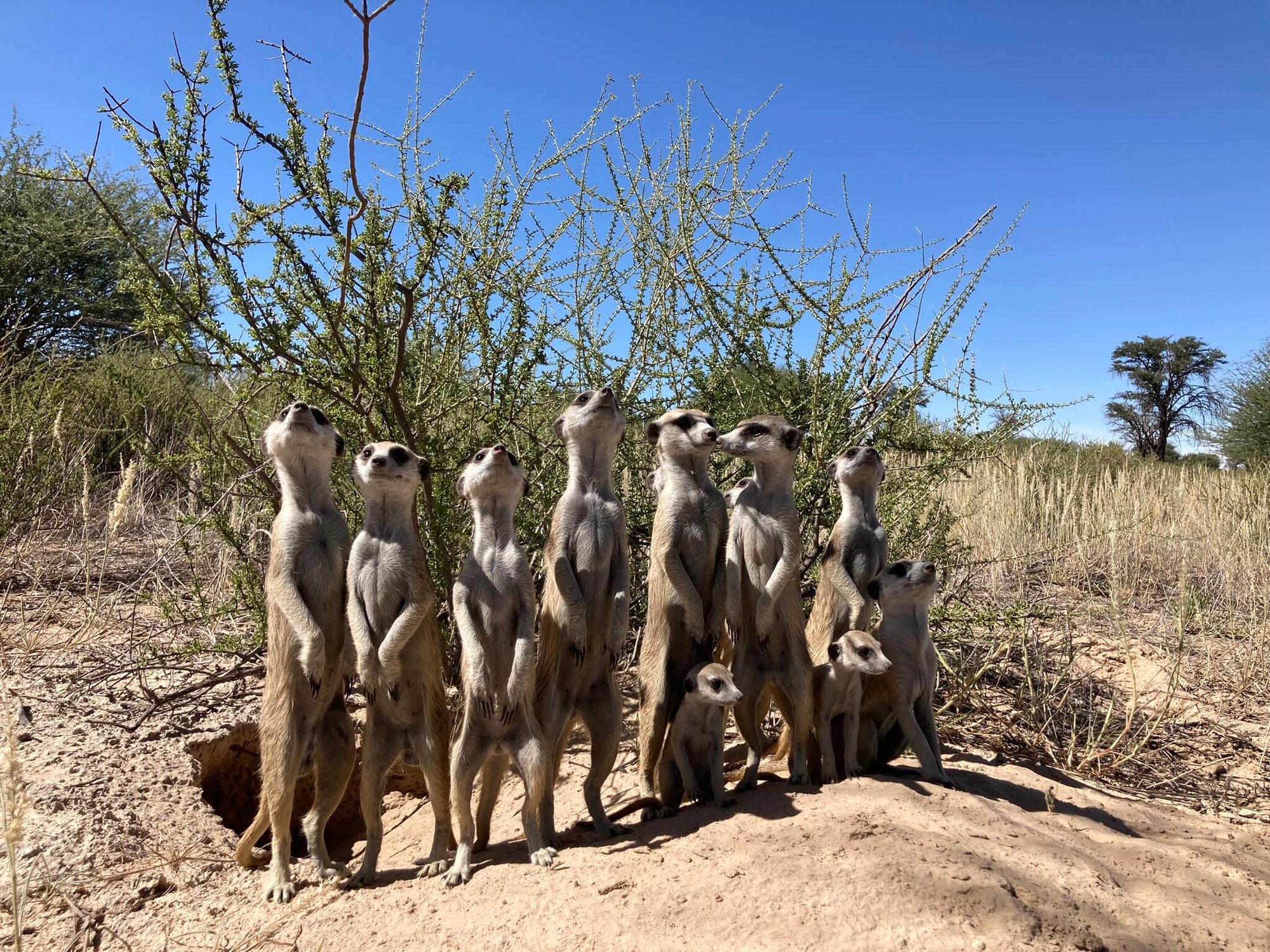
In the heat of the day, meerkats rely on teamwork to keep feeding efficiently, ground squirrels shuttle in and out of burrows to cool off, and yellow mongooses dodge the heat by shifting most of their activity to the night. These small mammals reveal the diverse ways in which they survive in harsh conditions. To further understand how they cope with the heat, Chanel and her team used tiny sensors to measure each animal’s body temperature around the clock, and recorded a suite of environmental variables to quantify the level of heat the animals are exposed to.
A typical day
The fun part for Chanel was getting to watch the animals from dawn to dusk, carefully recording their behaviour. It’s a special experience to sit on a sand dune watching the sun rise and have these little creatures emerge one by one to bask in the sun with you.
Credit: Christine Cooper
Once they've done their morning grooming and socialising, they head out to feed. Meerkats and mongooses are carnivores, so they spend a lot of time and energy digging up beetles and scorpions. Squirrels are herbivores, so they feed on the sparse vegetation, and often store seed pods for later.
Credit: Chanel Rampartab
As the day heats up, the animals slow down. Active feeding is replaced by an afternoon siesta under a shady camelthorn tree or in a burrow nearby. This rest is essential to prevent overheating, but it also means fewer hours to feed; an unavoidable trade-off between heat and hunger. As sunset approaches, the animals feed again for a brief period before heading into their burrows for the night.
Credit: Chanel Rampartab
Why this research matters
The research helps us understand how these animals will cope with increasing temperatures and other challenges associated with climate change. With the Kalahari warming faster than the global average, the team hopes to find ways to protect these small mammals and their ecosystems, before it’s too late.
The essential Suzuki Jimny
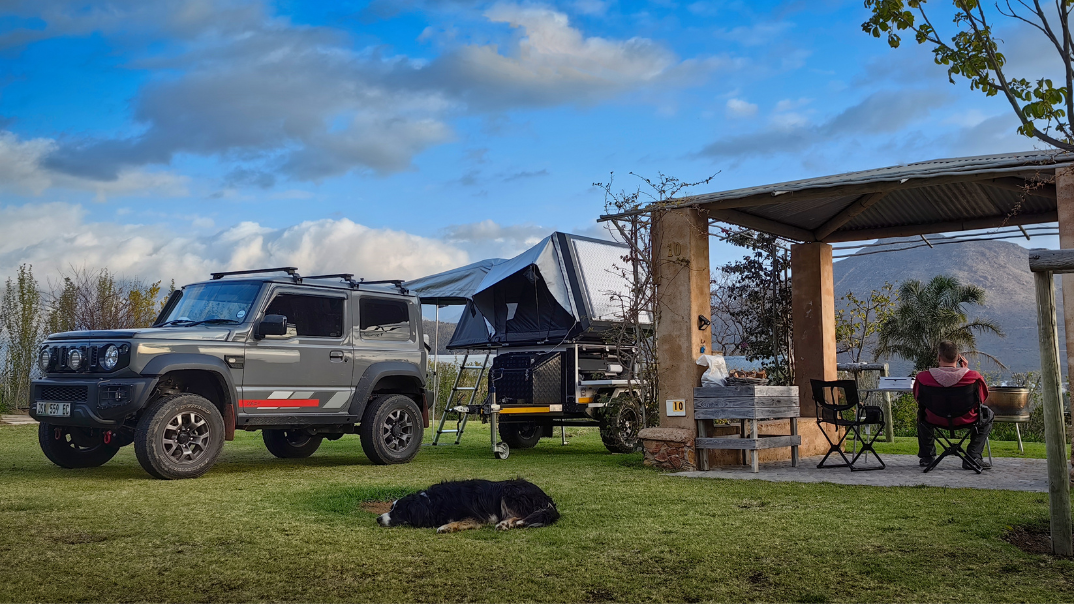
Working in the Kalahari for a year was as challenging as it was rewarding for Chanel. The Suzuki Jimny was essential to the research, not only because it was extremely capable at traversing the soft sand, but also because it was fitted with a roof rack and ladder that made it perfect for scanning the landscape for the study animals. The research team also occasionally treated themselves to a drive up the dunes to watch the spectacular sunsets, and night drives to spot elusive aardwolves, bat-eared foxes, and springhares.
Credit: Chanel Rampartab