


Your monthly instalment is only part of the picture. We break down compact car running costs in South Africa and look at how the Suzuki Celerio, Baleno and Fronx can fit different commuting needs and budgets.
- Your monthly car cost is more than just the instalment. Fuel, insurance, maintenance and everyday extras all need a place in the budget too.
- Looking at the total cost of car ownership gives you a much clearer idea of what a car will actually cost you over time.
- If you commute regularly, fuel consumption can make a real difference. The Suzuki Celerio starts from 4.2ℓ/100 km, the Baleno from 5.4ℓ/100 km and the Fronx from 5.5ℓ/100 km.
- Compact car insurance can vary quite a bit, so it’s worth getting a quote on the exact model you’re considering before you buy.
- First-time buyers should also leave room for things like licence renewal, parking, insurance excesses and any repairs that fall outside a warranty or service plan.
- When comparing affordable compact cars, think about what fits comfortably into your monthly life, not just what looks affordable on paper.
South African commuting has a way of keeping things interesting. Traffic, fuel-price changes, the occasional pothole and that ‘quick stop’ on the way home that somehow adds another 20 km to your day.
So, while the price tag matters when you’re shopping for a car, it’s only the beginning.
Your compact car running costs also include fuel, insurance, servicing, tyres and other everyday expenses. Understanding those costs upfront can help you choose a car that works for your lifestyle and your monthly budget.
And before you get into colours, features and all the fun stuff, it helps to do the maths.
What does it really cost to own a compact car each month?
A simple monthly calculation looks like this:
Monthly car cost = finance + fuel + insurance + maintenance + other regular motoring costs
|
Cost |
What to factor in |
|
Finance |
Your repayment, interest rate, loan term, deposit and balloon payment |
|
Fuel |
Your monthly mileage and the car’s fuel consumption |
|
Insurance |
Your vehicle, driver profile, location and chosen cover |
|
Maintenance |
Servicing, repairs and wear-and-tear items |
|
Other costs |
Tyres, licence renewal, parking and tolls where applicable |
💡 For a longer-term view of your total cost of car ownership, factor in depreciation and eventual resale value too.
How much could a daily commute cost in fuel?
Let’s say your round-trip commute is around 30 km a day, five days a week.
Across 22 working days, that’s roughly 660 km per month before weekend errands, school runs and spontaneous coffee missions enter the picture.
Fuel consumption makes a noticeable difference here. Let’s compare some Suzuki models:
|
Suzuki model |
Fuel consumption |
Why it could suit your commute |
|
Suzuki Celerio |
From 4.2ℓ/100 km |
A light, fuel-conscious option for regular city driving |
|
Suzuki Baleno |
From 5.4ℓ/100 km |
More interior space while keeping fuel use manageable |
|
Suzuki Fronx |
From 5.5ℓ/100 km |
Compact-SUV practicality without a big jump in fuel consumption |
Your actual fuel bill will depend on the current petrol price, traffic, driving style and how much you really drive each month.
A useful starting point is:
Monthly kilometres ÷ 100 × fuel consumption × fuel price per litre
That gives you a much more accurate number than simply asking whether a car is fuel-efficient.
Which Suzuki makes sense for your commute?
The best commuter car isn’t necessarily the smallest or cheapest one. It’s the one that gives you the right balance of space, comfort and running costs.
Suzuki Celerio: small car, small appetite
If fuel economy is high on your list, the Celerio is a natural place to start.
With a fuel consumption from 4.2ℓ/100 km, it’s well suited to everyday urban driving and commuters who would rather spend less time watching the fuel gauge.
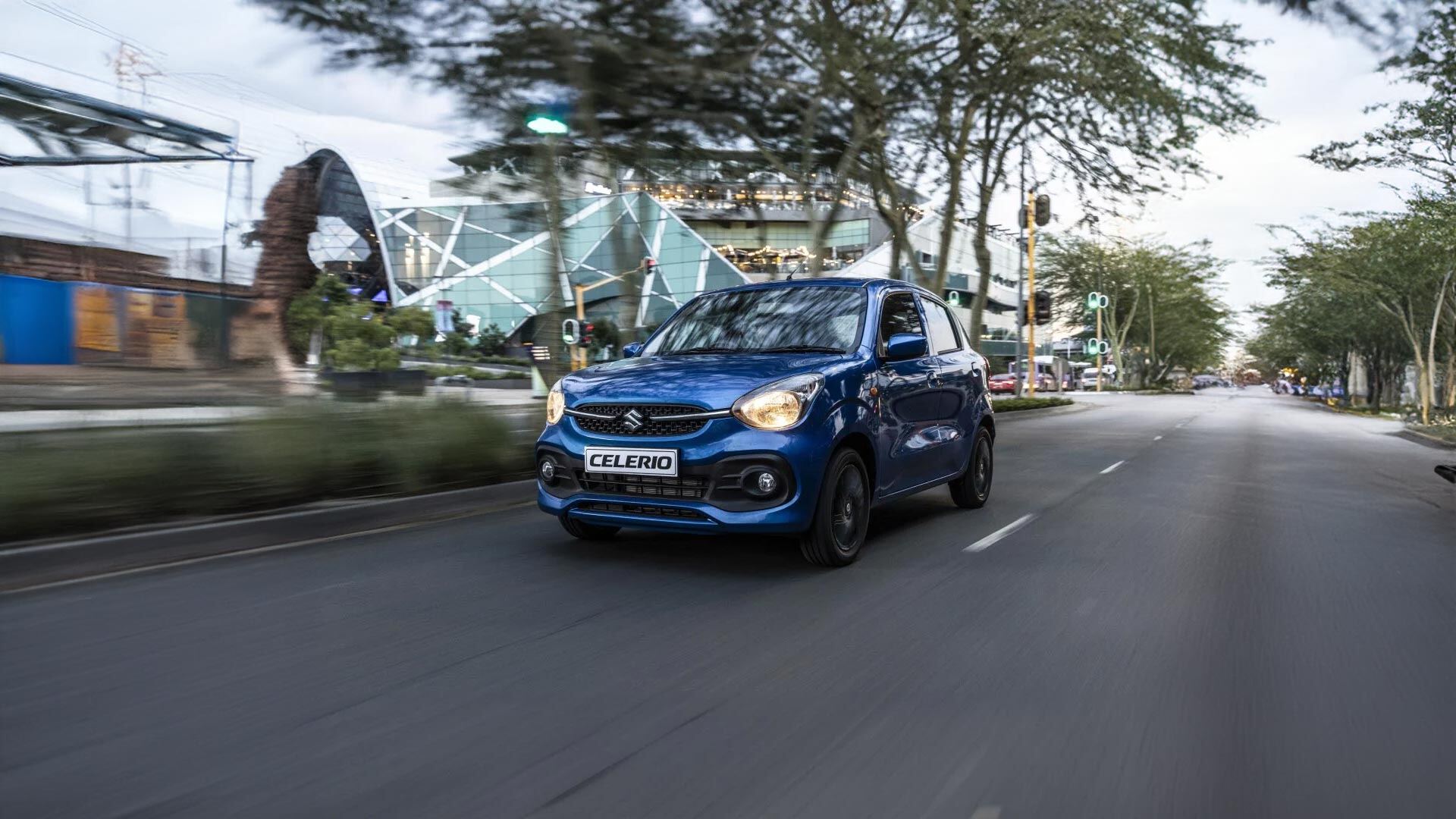
Its compact size also comes in handy when city parking starts feeling like a competitive sport.
Suzuki Baleno: a little more room to work with
Need space for passengers, groceries, bags or family life?
The Baleno offers a roomier hatchback experience with fuel consumption from 5.4ℓ/100 km.
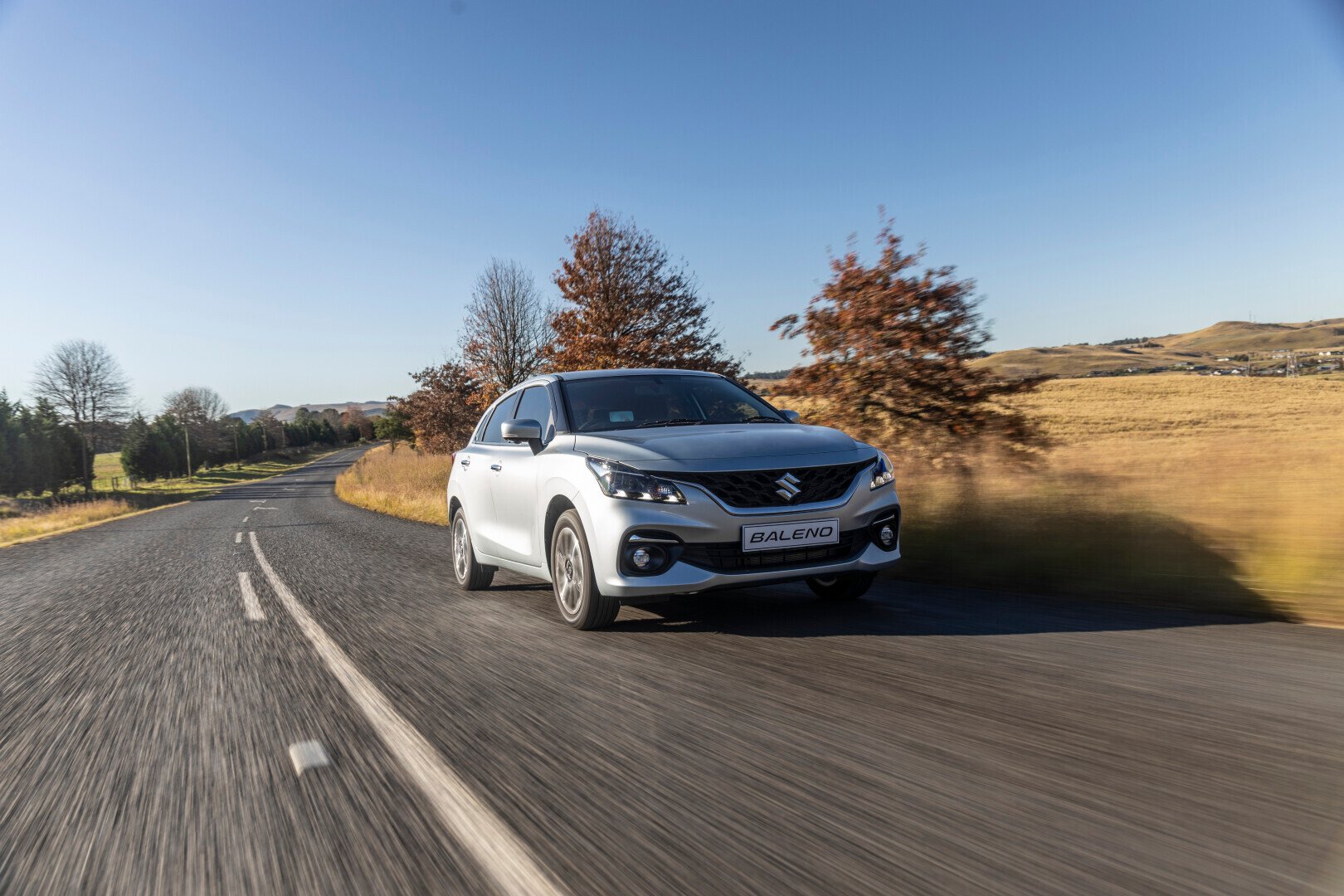
It gives you extra breathing room without automatically moving into the running costs of a much larger vehicle, making it a useful middle ground for commuters who need their car to do more than the weekday trip to work.
Suzuki Fronx: crossover style, commuter-friendly consumption
If you prefer the higher-riding feel and styling of a compact SUV, the Fronx gives you that flexibility with fuel consumption from 5.5ℓ/100 km.
It’s a good fit for someone who wants an everyday commuter during the week, but a little more versatility when the weekend arrives.
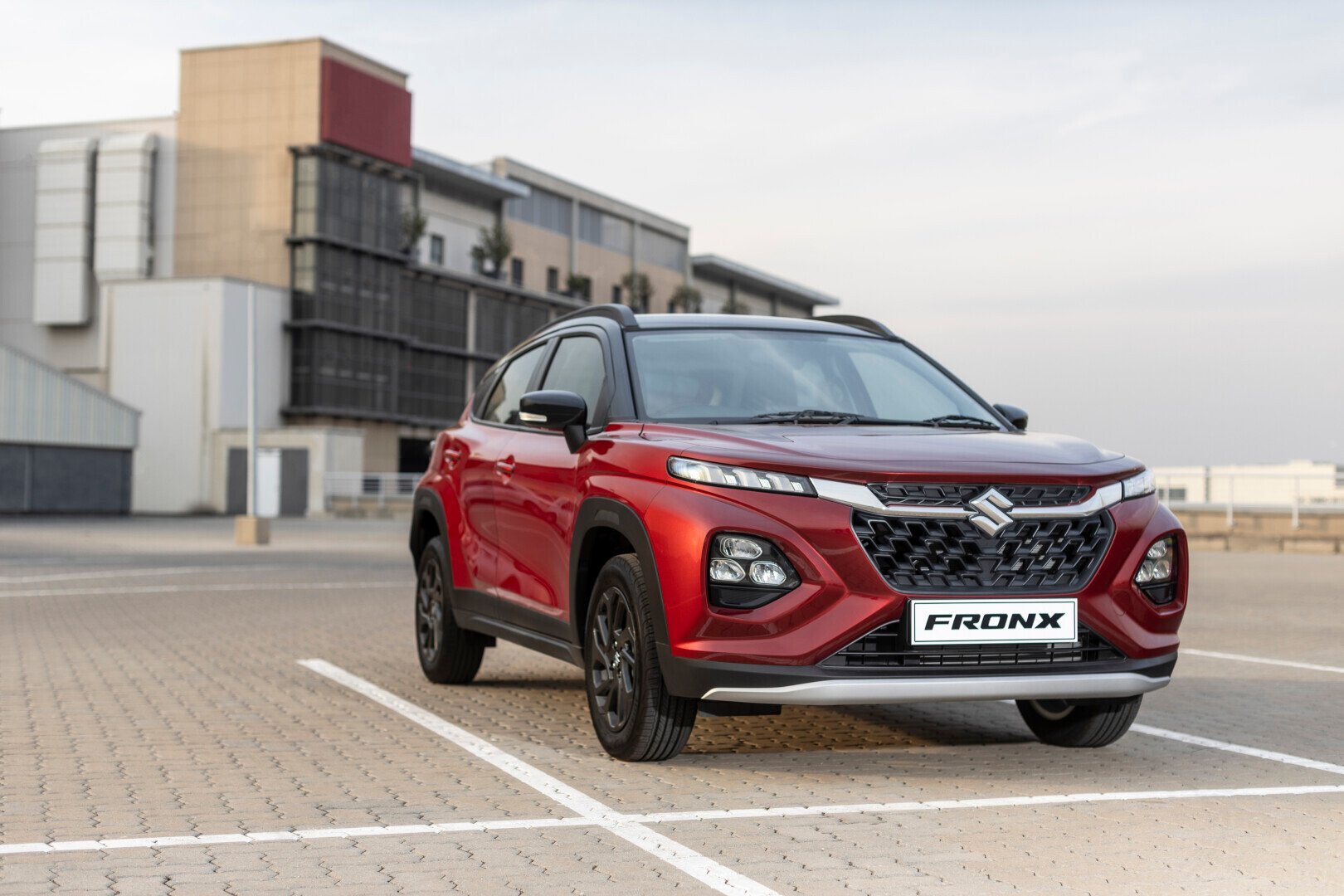
Because being budget-conscious doesn’t mean your car has to feel purely practical.
What should you budget for maintenance?
Maintenance can be easy to forget because it doesn’t arrive neatly every month.
Your car can behave beautifully for months and then suddenly need tyres, brake pads or a few smaller wear-and-tear items at the same time.
That’s why it helps to set aside a monthly maintenance amount, even when nothing needs attention right now.
The Celerio, Baleno and Fronx each include a 4-year/60,000 km service plan, which can make scheduled servicing more predictable during the plan period.
Just remember that a service plan doesn’t cover every ownership expense. Tyres and certain wear-and-tear items may still be your responsibility.
And what about compact car insurance?
There isn’t one standard compact car insurance premium that applies to everyone.
Your insurance premium can depend on your age, driving history, location, the specific vehicle, where it’s parked and the type of cover you choose.
So, before signing on the dotted line, get an insurance quote for the exact model you’re considering.
It’s a small step that can save you from discovering that your affordable car is a lot less affordable once the monthly premium arrives.
What extra expenses should first-time buyers remember?
Your instalment, fuel and insurance may be the obvious expenses, but a few smaller costs can still catch first-time buyers off guard.
Depending on how and where you drive, remember to budget for things like:
- annual licence renewal
- parking and tolls
- insurance excesses if you need to claim
- tracking or security subscriptions where required
- unexpected repairs that fall outside your warranty or service plan
It’s also worth leaving a little breathing room in your monthly budget rather than planning right down to the last rand. Cars have a habit of throwing in the occasional expense you didn’t see coming.
Choose a car that works for your whole budget
Owning a car comes with more than one monthly number, but your budget doesn’t have to feel complicated.
Once you know what to allow for fuel, insurance, maintenance, and the occasional unexpected cost, you can choose with more confidence and avoid nasty surprises later.
Whether the Celerio, Baleno or Fronx feels like the right fit, the goal is simple: choose a car that makes everyday life easier, fits comfortably into your budget and still leaves room for the things you’d rather be spending your money on.
A little planning upfront can make the road ahead feel a whole lot lighter.
Ready to see which one feels right for you? Choose a model and book your test drive.



.jpg)
-1.png)
.png)