

Yes. Suzuki is one of South Africa’s most fuel-efficient vehicle brands, with models like the Celerio, Swift, Fronx, and Grand Vitara helping drivers keep fuel costs low. This blog breaks down the real fuel economy figures, the technology behind Suzuki’s efficiency, and which models offer the best value for everyday driving.
Key Takeaways
- Yes. Suzuki is one of the most fuel-efficient vehicle brands in South Africa, with a verified brand-average fuel consumption of 5.41ℓ/100km in the WesBank Fuel Economy Tour.
- The Suzuki Celerio is currently the most fuel-efficient car in the Suzuki range, delivering an average of 4.2ℓ/100km.
- Suzuki compact cars help keep monthly running costs down, especially for commuters covering daily city mileage.
- SUV buyers are not left out. The Suzuki Fronx and Grand Vitara offer combined fuel consumption figures starting from as low as 5.5ℓ/100km.
- Suzuki’s efficiency comes from smart engineering choices, including lightweight construction, compact engines, the HEARTECT platform, and AMT technology
How Fuel Efficient Are Suzuki Cars?
As we mentioned above, we have a brand-average fuel consumption of 5.41ℓ/100km.
The consistency across our range is what stands out. Whether you look at hatchbacks like the Celerio and Swift or compact SUVs like the Fronx, low fuel consumption is built into the line-up rather than limited to a single model.
The combination of fuel efficiency and relatively low maintenance costs is a big reason Suzuki continues to perform well in the South African market.
Which Suzuki Has the Best Fuel Consumption?
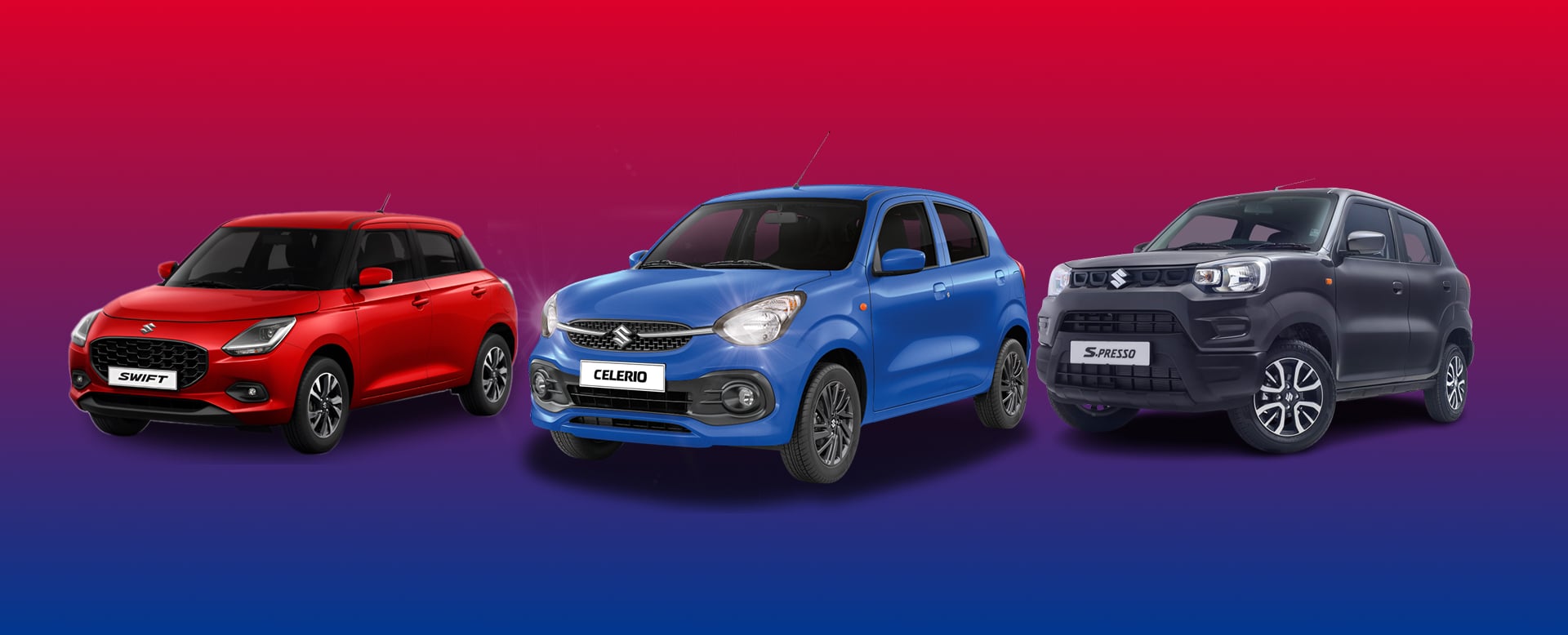
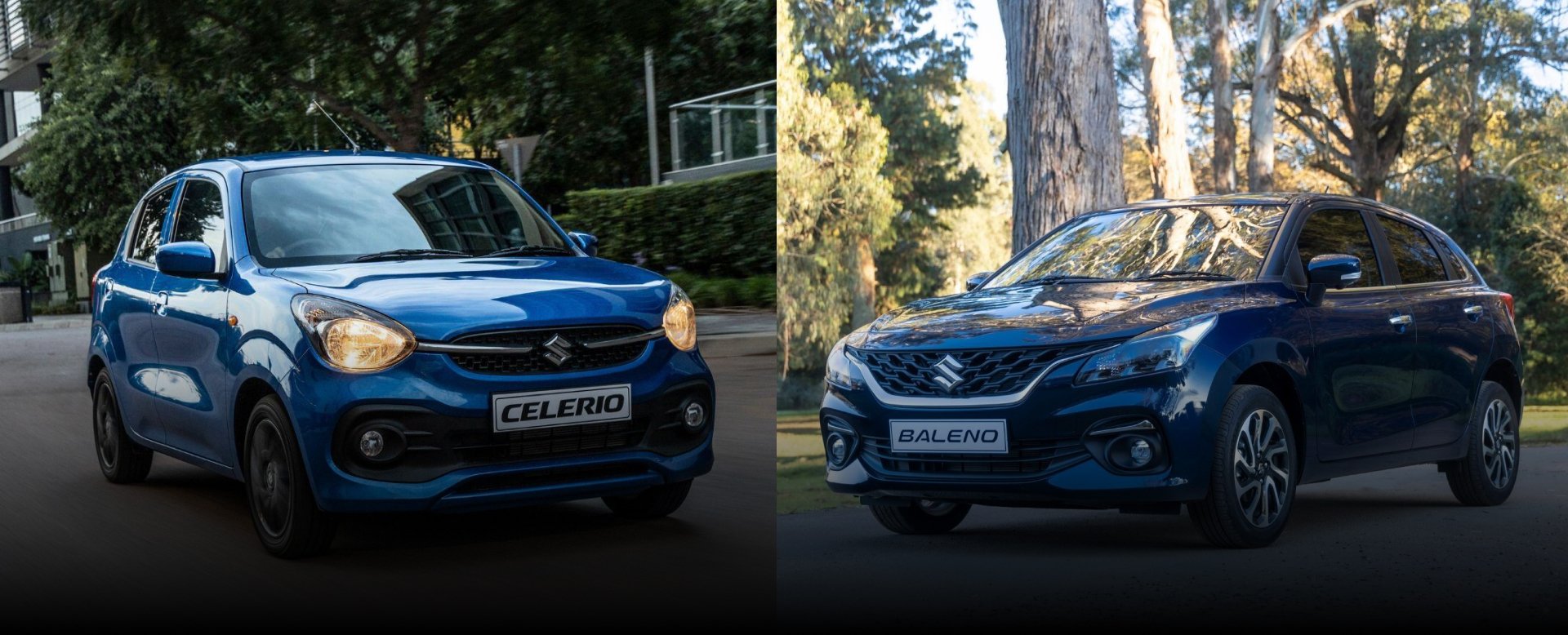
The Suzuki Celerio is currently the most fuel-efficient car in the Suzuki range, delivering an average of 4.2ℓ per 100km.
It’s light, compact, which helps keep fuel consumption low in stop-start urban traffic.
One South African road test recorded around 4.05ℓ/100km on a highway run and 5.6ℓ/100km in urban driving.
For buyers replacing an older hatchback or trying to reduce monthly fuel spend, the Celerio remains one of the most cost efficient new cars in the country.
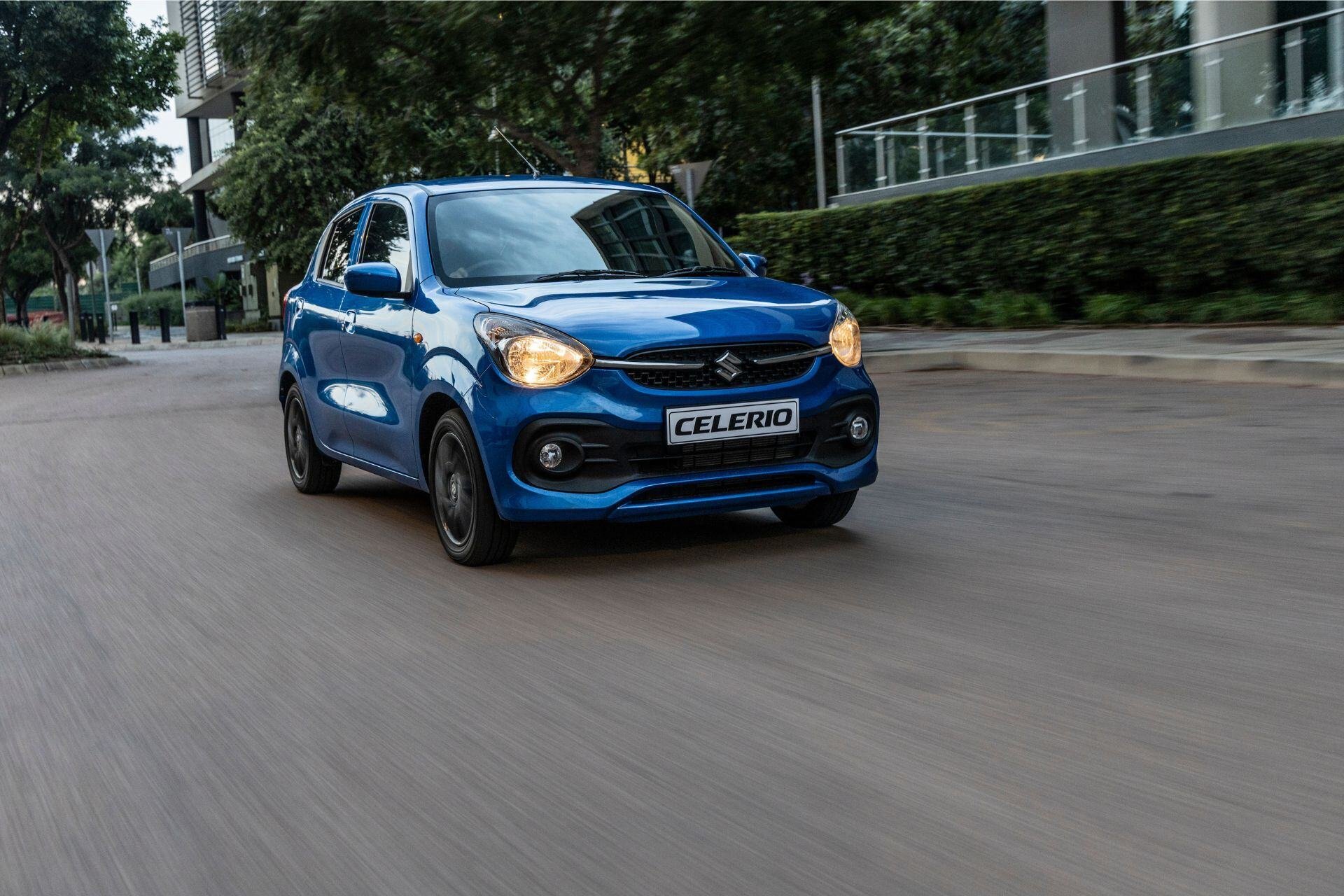
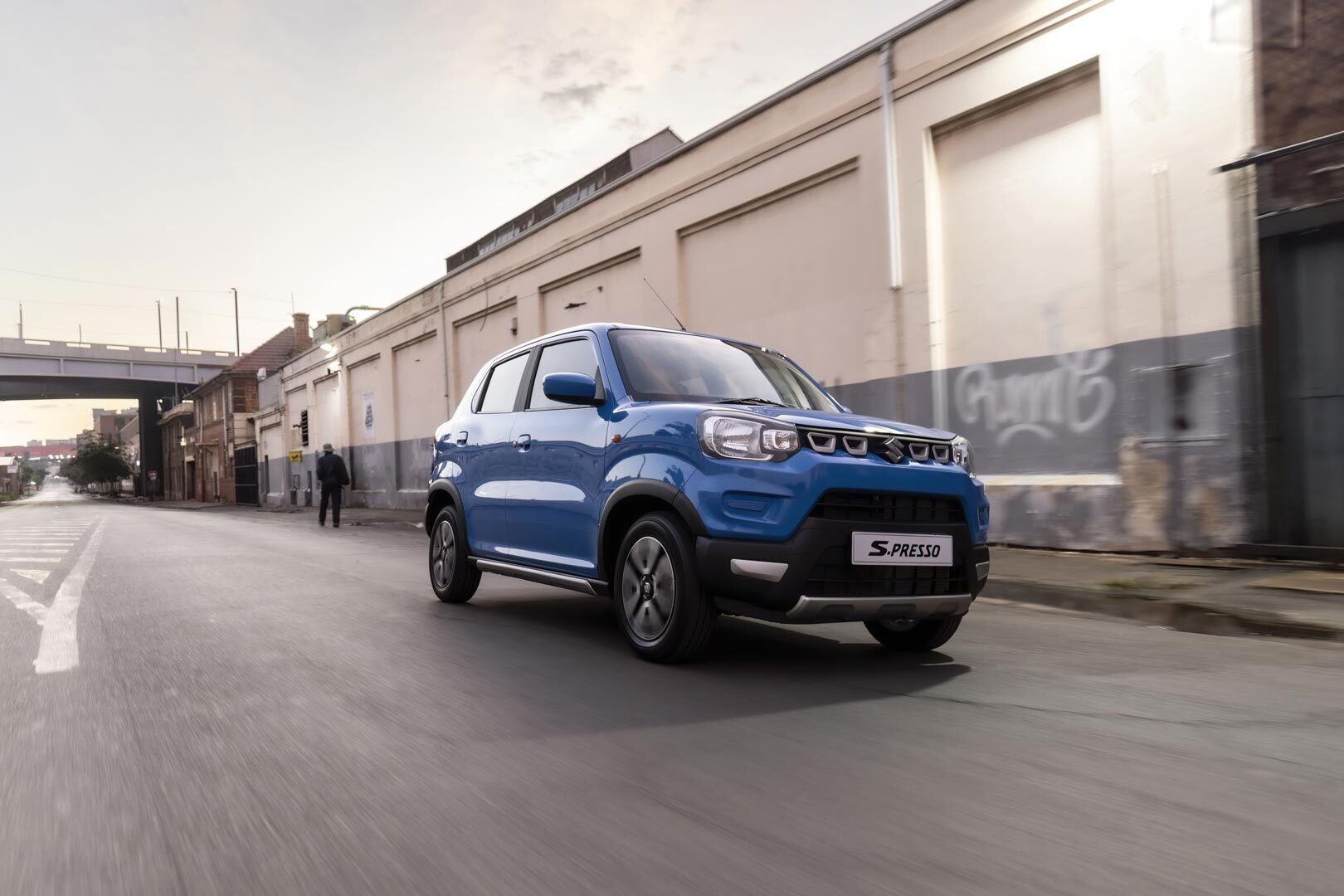
The S-Presso has earned its place in this list, too. Fuel consumption is as low as 4.4ℓ/100km for automatic transmissions and 4.6ℓ/100km for manual versions.
Its higher seating position also appeals to buyers who want something that feels less low-slung than a traditional hatchback without moving into full SUV territory.
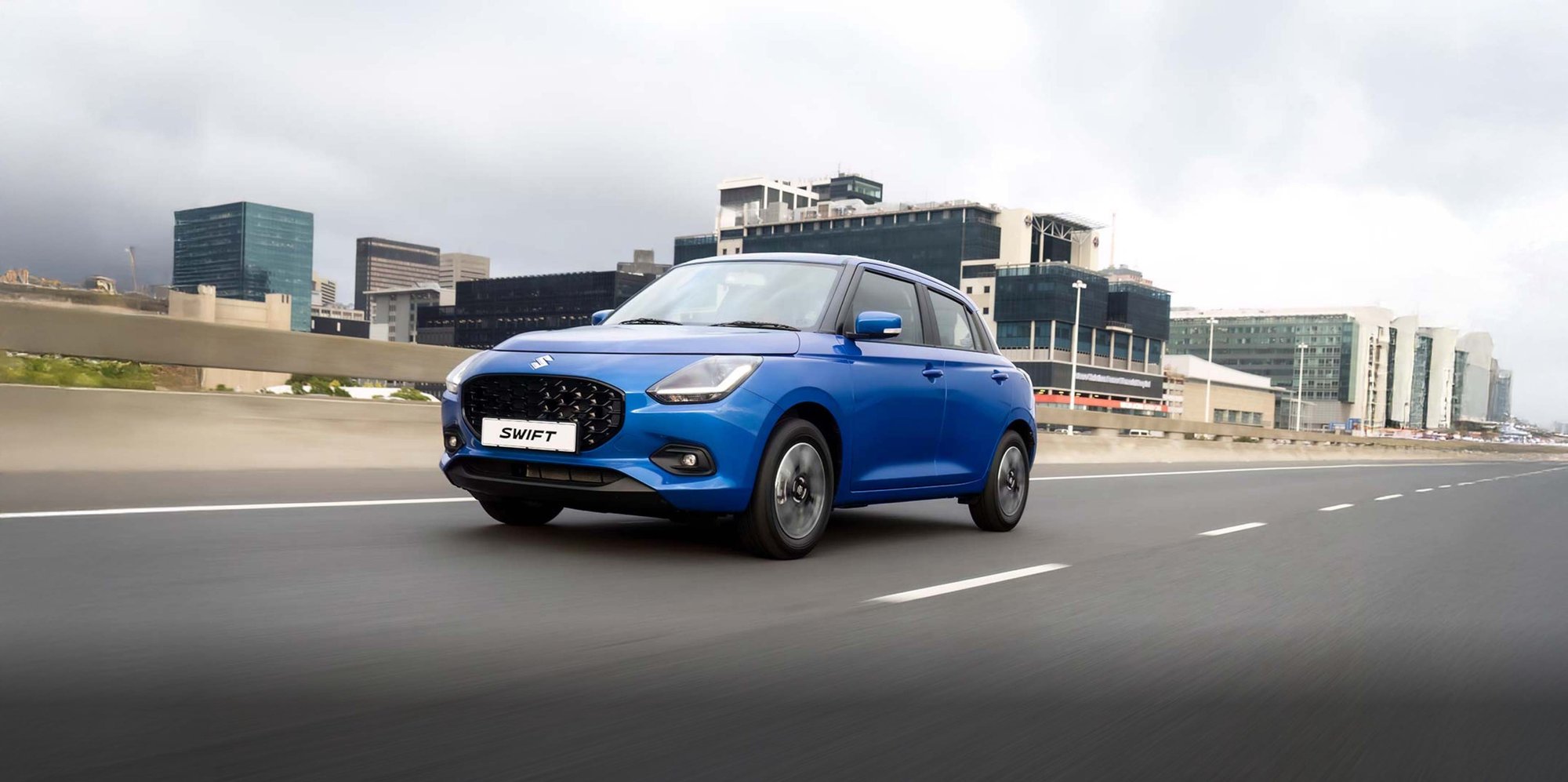
The Swift remains one of Suzuki’s strongest all-rounders. The manual transmission has an efficiency of 4.4ℓ/100km, and the CVT at 4.6ℓ/100km.
For many South African buyers, it hits the sweet spot between fuel economy, comfort, features, and everyday drivability.
Are Suzuki SUVs Fuel Efficient Too?
Many compact SUVs are heavier and less efficient than hatchbacks, but Suzuki’s smaller SUV range keeps fuel consumption relatively low compared to larger rivals.
The Suzuki Fronx and Grand Vitara offer fuel consumption ratings starting from as low as 5.5ℓ/100km.
Suzuki Fronx
The Fronx offers the higher seating position and practicality many buyers look for, while still delivering fuel consumption from 5.5ℓ/100km.
That makes it appealing for those who want SUV styling without taking on the running costs usually associated with larger vehicles.
.jpeg?width=1620&name=SASA-FronxDriving%20(1).jpeg "SASA-FronxDriving (1)")
Suzuki Grand Vitara
The Grand Vitara adds more cabin space and comfort while still keeping fuel consumption competitive for the segment.
For families covering long highway distances during school holidays or regular road trips, that difference in fuel consumption adds up over time and can make a significant difference.
.webp?width=2000&height=1333&name=Grand%20Vitara%20Bold%20SUV%20Design%20(1).webp "Grand Vitara Bold SUV Design (1)")
What Makes Suzuki Engines So Fuel Efficient?
Suzuki’s fuel efficiency comes largely from vehicle weight, engine size, and overall design. Most Suzuki models are lighter than many competitors in the same segment, which means the engine needs less effort to move the vehicle forward when driving.
The HEARTECT platform is a big part of that. It’s lighter and highly rigid, which helps improve efficiency while supporting vehicle performance and safety.
It’s great for urban traffic where constant stopping and pulling away increases fuel usage in heavier vehicles.
Across our key Suzuki compact models, our AMT technology matches the fuel efficiency of manual transmissions, providing an average consumption rate of 4.4ℓ to 4.9ℓ/100km.
It offers a more convenient driving experience without the higher fuel consumption traditionally associated with older automatic gearboxes.
Smaller naturally aspirated engines also play a role here. They are generally simpler, lighter, and less expensive to maintain than larger turbocharged alternatives, while still being well suited to daily commuting and urban driving.
How Much Can You Save on Fuel With a Suzuki?
Say you drive 50km a day in Johannesburg traffic. Over a typical month, that works out to roughly 1 100km.
If your car averages 4.4ℓ/100km, you would use about 48.4 litres of fuel in that month.
If you drive a typical 1.6ℓ sedan averaging 6.5ℓ/100km, you would use around 71.5 litres.
Using an inland 95 unleaded price of R26.63/litre as a reference point, that comes to roughly:
- Suzuki at 4.4ℓ/100km: about R1 289 per month
- 1.6ℓ sedan at 6.5ℓ/100km: about R1 904 per month
That’s a saving of around R615 a month, or more than R7 000 a year.
For many households, that difference can cover insurance, school transport costs, or part of a monthly instalment.
Which Suzuki Offers the Best Balance Between Price and Fuel Economy?
Best for the lowest running costs: Suzuki Celerio
The Celerio makes the most sense for buyers focused almost entirely on affordability and low running costs.
Best for first-time buyers: Suzuki Swift
The Swift combines low fuel consumption with a more refined interior, stronger feature set, and broader day-to-day usability.
Best for buyers who want SUV style: Suzuki Fronx
The Fronx offers SUV styling and practicality while keeping fuel consumption low enough for daily commuting.
How Does the Suzuki Swift Compare to Other Hatchbacks?
In South Africa’s hatchback market, fuel economy often comes with trade-offs. Some vehicles are cheap to run but feel underpowered or stripped down on features. Others are more refined but become expensive to commute in every day.
The Swift’s fuel economy figures remain highly competitive at 4.4ℓ/100km for the manual and 4.6ℓ/100km for the CVT.
Combined with its feature set, practicality, and relatively low running costs, that' s one of the main reasons the Swift continues to perform strongly in South Africa.
Final word
Fuel efficiency matters far longer than the excitement of buying a car. It impacts your monthly budget, the cost of commuting, and how affordable your car remains over the next few years of ownership.
Suzuki’s strength is that fuel efficiency is not limited to one niche model. It runs across the range, from compact hatchbacks to family-oriented SUVs.
Book a test drive and see which Suzuki gives you the right mix of fuel economy, everyday practicality, and confidence on South African roads!